Did you check out the Olympics? How about the Paralympics?
Now that the Olympic and Paralympic athletes have returned home and moved onto other competitions, many conversations have happening about the mental health of elite athletes.
Although many Olympians throughout history have quietly struggled with mental health challenges and mental illness, there has always been a daunting amount of stigma, which is heightened in the context of athletic champions. It was challenging for athletes to push through the cloak of shame and fear to be open about such a taboo topic.
Michael Phelps, the Canadian swimmer, broke the silence in 2004 when he openly shared about “post-Olympics depression.” He was able to get treatment for his depression and struggle with alcohol and had the courage to bring a new conversation to the public awareness.
It was many years later when the gymnast, Simone Biles, withdrew from the 2020 Olympics (which took place in 2021) to focus on her mental health, she highlighted the link between mental health and performance, and showed the world what it can look like to put one’s own well-being first.
After the 2010 Olympic Games, Canada’s most decorated athlete, Clara Hughes, retired from competitive sport and became a voice for breaking down the stigma that surrounds mental illness. She became the spokesperson for Bell Canada’s Let’s Talk About Mental Health campaign. She speaks candidly about her experiences with depression and struggles to overcome suicidal thoughts. She is the author of a memoir, titled Open Heart, Open Mind.
Most recently, American figure skater Ilia Malanin, who was expected to win the 2026 Gold medal, has shared publicly and creatively about his mental health challenges. Veteran Canadian figure skating medalist Elvis Stojko gets it. He has shared in interviews about his experiences and his thoughts while watching Ilia Malanin’s struggle.
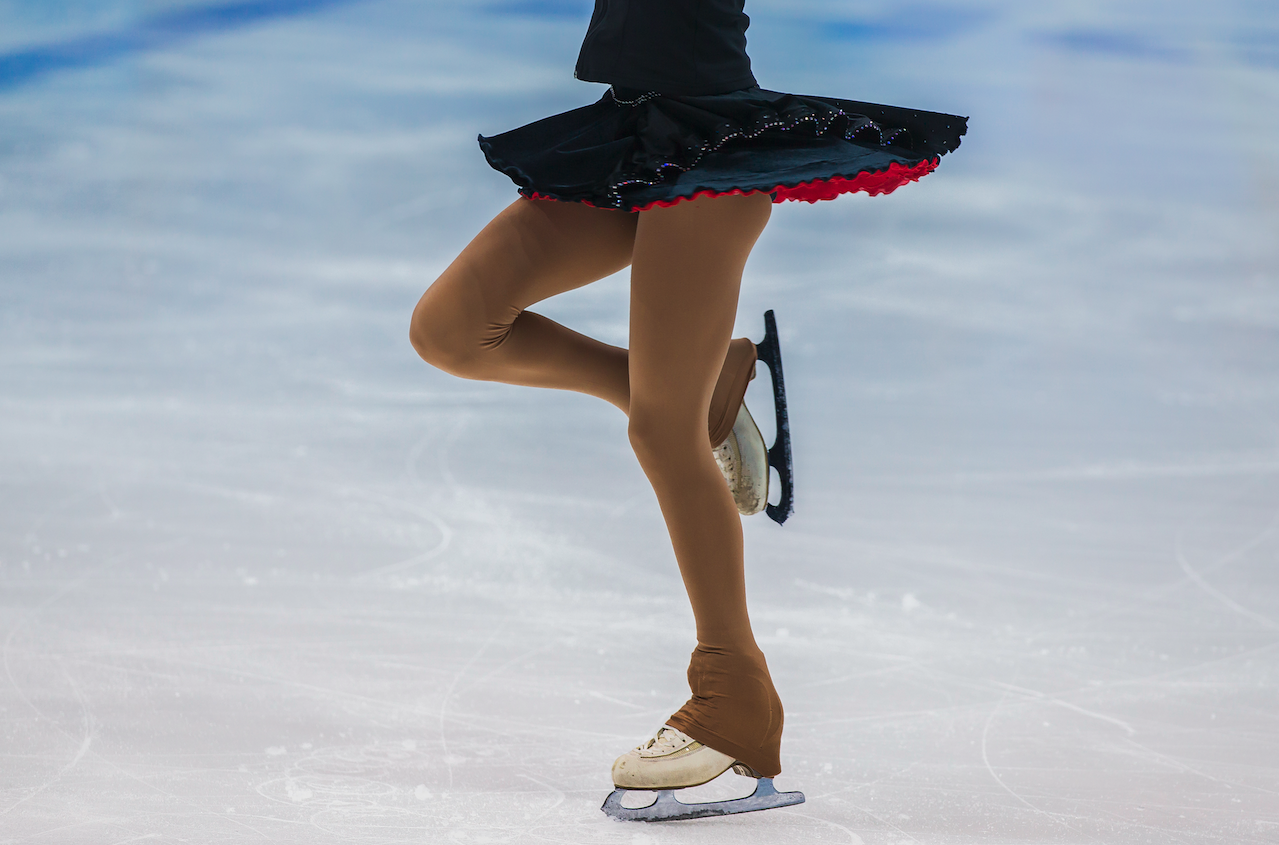
A highlight of the 2026 Olympics was American figure skater, Alyssa Liu, whose story includes having retired from competition at 16, then deciding to return two and a half years later, on her own terms. She has shared about returning to skating for the joy of it, taking control of her diet, training, costumes, hair and music, and releasing the expectations of medals as an outcome. The joyfulness of her gold medal winning performance captured hearts across the world, and she says that stepping back to do her own thing was something that had to happen in order for her to find joy in skating again.
Paralympian swimmer and cyclist Nathan Clement has shared openly about mental health struggles including anxiety and has become a vocal advocate. He talks about his self-care routine which includes advocacy for others facing symptoms of mental illness.
Closer to home, the BC Winter Games recently took place at Red Mountain and the Rossland/Trail area. Now that there is more of a public focus on mental health in elite sports, there are more supports available. The BC Winter Games partnered with local Foundry to ensure young athletes had access to mental health services during the Games.
You don’t have to be an Olympic level athlete to know what it’s like to try to do your thing while navigating symptoms of mental illness, but it sure helps to talk about it when someone performing at that level shares openly about their experience.
To learn more about Olympian’s experiences with asking for help, check out this article: The power of asking for help: Athletes open up about mental health and support systems – Team Canada