
This excerpt comes from facilitator resources used in our BCSS Youth programs.
Imagine what it must be like for a child growing up in a home where a family member’s mood is completely unpredictable, where someone can shift from being energetic and grandiose to being in an uncontrollable rage within moments. Or picture depending on a caregiver who is struggling with psychosis, paranoia, or a depression so severe they can barely function.
In the past, mental health professionals seldom inquire how children were being affected when a family member was diagnosed with a mental illness. Children were left out of treatment planning and were not always given any explanation for the confusing and frightening things they were witnessing at home. Thankfully, that is beginning to change. We now have a much better understanding of what these children go through, and we recognize that without proper support, information, and guidance, they are at risk of carrying the weight of these experiences well into adulthood. At the very least, having accurate information about mental illness helps children make sense of their reality. Living with facts is always better than living with uncertainty.
The Burden Children Carry
Life for a child in a home affected by mental illness is far from simple. These children often carry heavy emotional burdens and face fears and responsibilities that most children their age never encounter. Unpredictable episodes and lengthy separations, whether due to hospitalization or involvement from child protection services, can leave children feeling deeply unsettled and insecure. Over time, the effects can show up in many areas of their lives: difficulties at school, struggles with relationships, confusion about boundaries, self-harm, and an overall lack of effective coping strategies.
Interestingly, some children respond by throwing themselves into academics or extracurricular activities as a way of maintaining a sense of control when everything at home feels chaotic. While this might look like success on the outside, it is often a survival strategy.
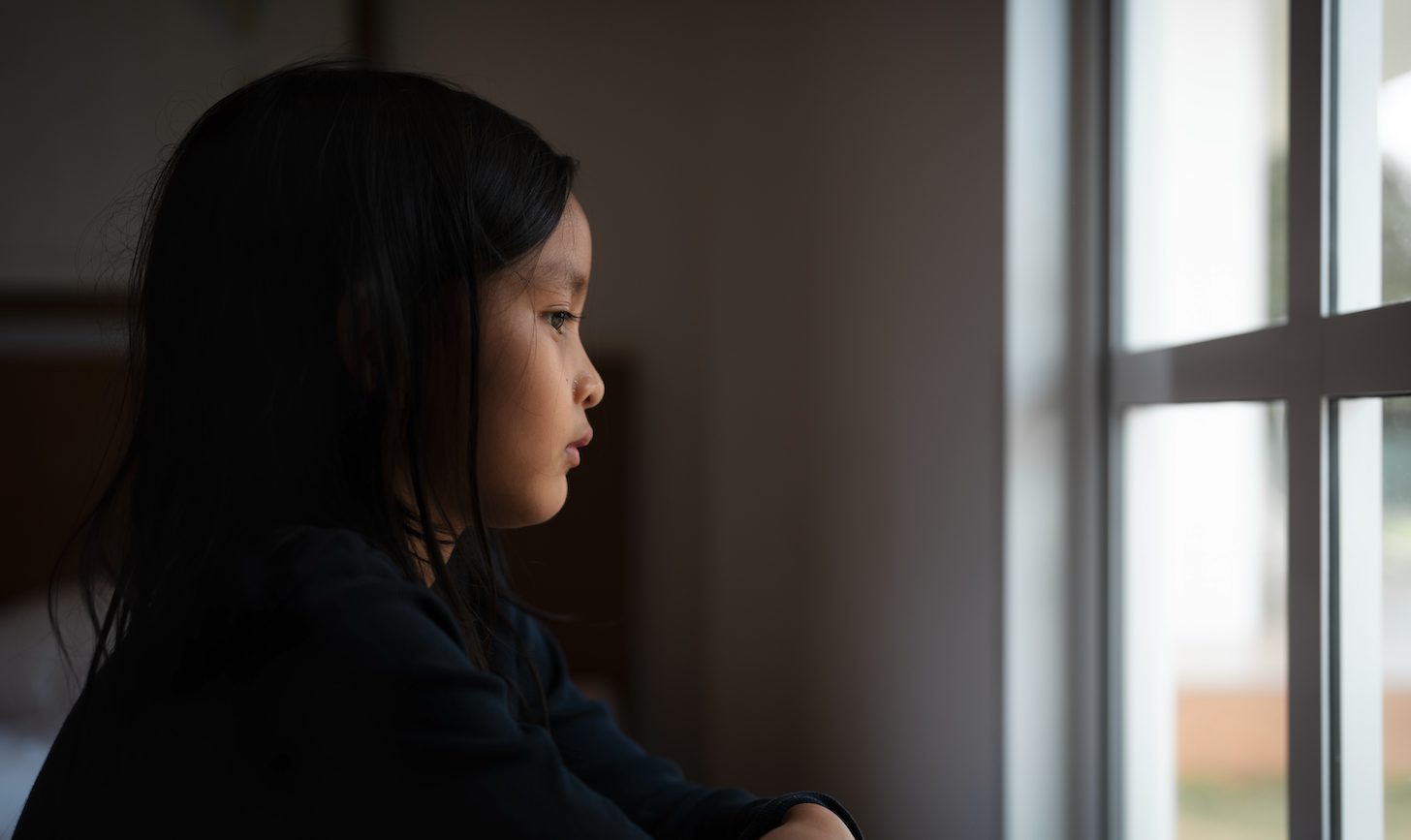
Children are particularly vulnerable to the disruptions that mental illness brings into a household. Their psychological defenses are still developing, and when normal childhood milestones are interrupted or delayed, it can leave lasting gaps in how they navigate adult life. The long-term effects can include depression, difficulty with intimacy, resentment, and a sense of lost potential.
When mental illness enters the family, everyone grieves. For children, this grief often looks like mourning the family they thought they had, the stability, the predictability, and sometimes the parent or sibling they once knew. On top of this emotional toll, families may also face poverty, conflict, substance use issues, and family breakdown. These challenges exist in many families, but they tend to be magnified when mental illness is part of the picture.
Taking on Too Much, Too Soon
One of the most significant impacts on children is the role reversal that often takes place. Rather than being cared for, these children find themselves becoming caregivers, looking after younger siblings, managing the household, and even tending to the emotional needs of the very adult who should be caring for them. In doing so, they lose something precious: their childhood.
Because of the stigma that still surrounds mental illness, many of these children feel they cannot speak openly about what is happening at home. They won’t invite friends over. They won’t ask for help. Instead, they withdraw, sometimes from the very people who could offer them real support.
Building Resiliency
Despite all of this, children are remarkably capable of healing and growth when they are given the right support. Resiliency, the ability not just to survive difficulty but to grow through it, can be actively nurtured. Research has identified several qualities that help children become more resilient, including the ability to reflect on their own experiences, a clear understanding that they are not responsible for their family member’s illness, and a genuine belief that things can and will get better.
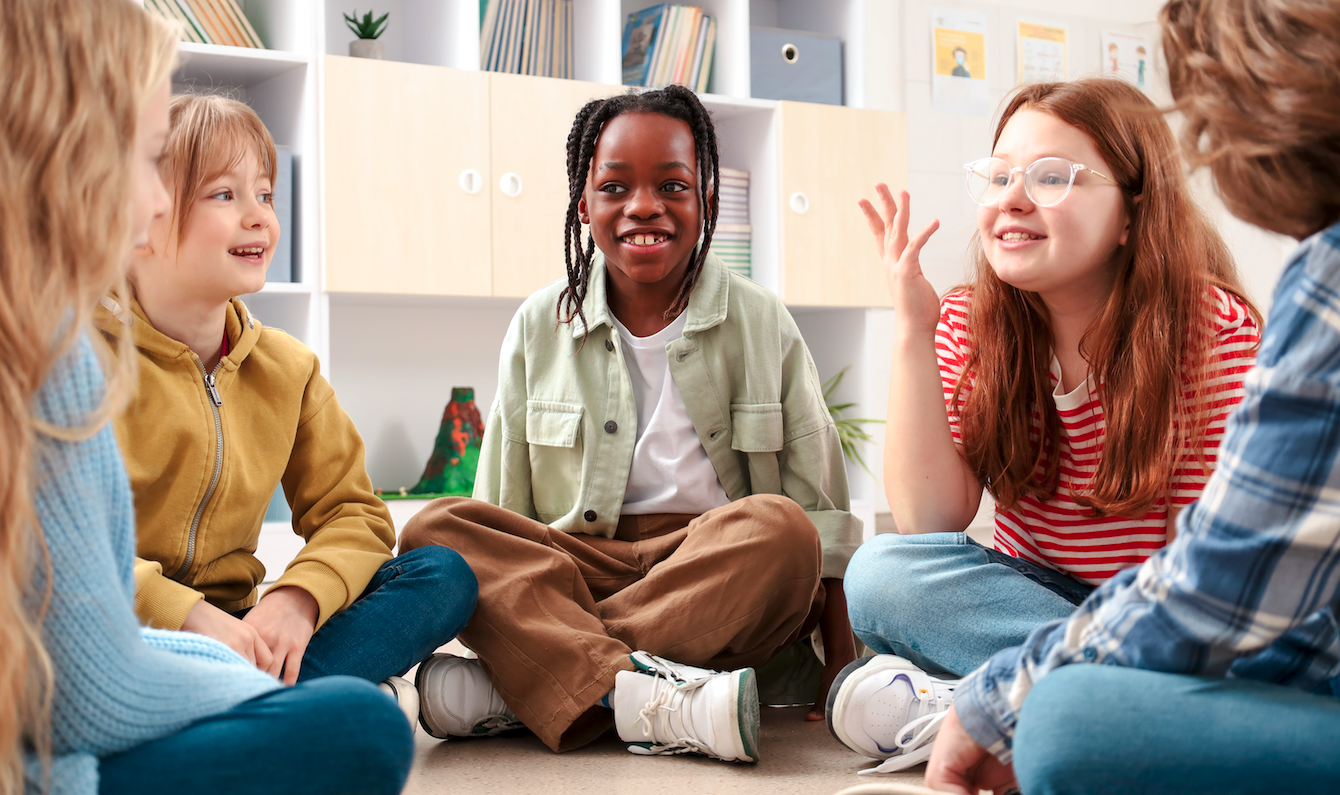
Externally, having at least one stable, caring adult in their life makes an enormous difference. So does having access to healthy outlets, whether that’s playing a sport, joining a club, making music, or simply spending time with trusted friends.
Positive coping strategies also play a key role. These include finding constructive ways to take a mental break from the stress at home, reaching out for support, learning to see the illness as something separate from the person they love, and finding sources of hope, whether through community, spirituality, or simply knowledge.
When children are equipped with education, support, and real coping tools early on, their chances of growing into healthy, well-adjusted adults increase significantly. By intervening at a young age, we can increase the chances that these children will overcome adversity and grow up to be well-adjusted, healthy adults.
Interested in learning more?
Kids in Control, Tweens in Control, and Teens in Control are support and educational groups for children and youth who have a loved one (e.g., parent, sibling, friend) with a mental illness or substance use disorder. The groups help youth better understand and cope with mental illness in their family.
If you think your child could benefit from this program, we encourage you to fill out our Youth Referral Form to get started.
Please note: BCSS Youth programs are not counselling or therapy groups.